
Eczema and Mould
Could your home environment be contributing to your eczema?
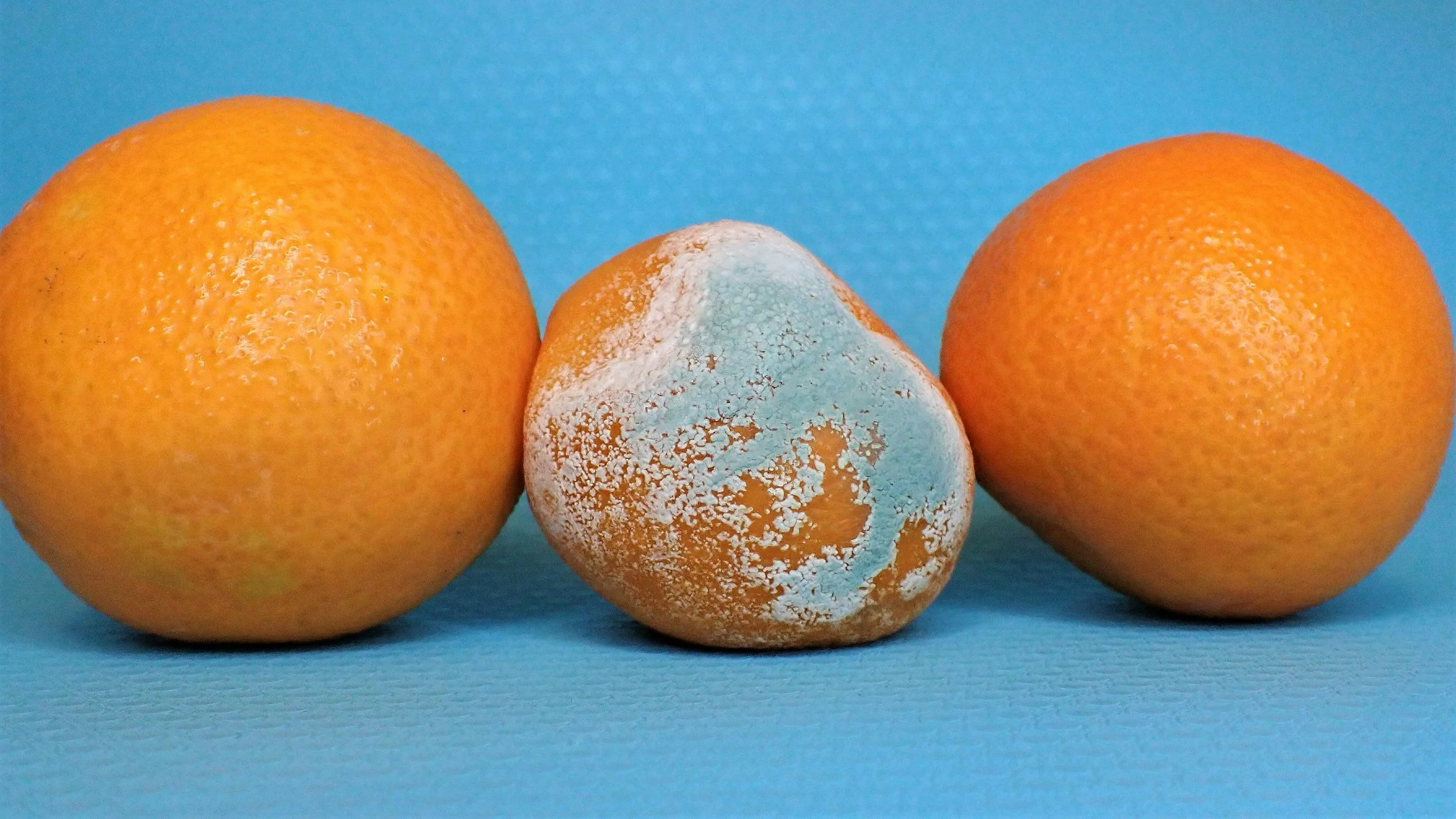
When you’re trying to work out why your child’s eczema keeps flaring, it’s natural to look at food, skincare and allergies first.
But there’s another piece of the puzzle that can be easy to overlook:
The environment your child is living in every day.
One environmental factor worth considering is indoor dampness and mould.
Research has found associations between living in damp or mould-affected environments and eczema, as well as other allergic and respiratory conditions. That doesn’t mean mould causes eczema in every child, but it does suggest that the home environment may be relevant for some children—particularly when eczema seems persistent or difficult to manage.
So, could something in your home be contributing to your child’s skin?
Mould isn't always obvious
When most people think about mould, they picture obvious black or green patches growing across a wall. But moisture problems aren't always that visible.
Mould can develop in places that are easy to overlook, particularly where there has been ongoing moisture or poor ventilation.
Think about:
Bathrooms and areas around showers
Behind furniture pushed against walls
Around windows
Under or behind sinks
Areas affected by previous leaks or water damage
Air conditioning systems
Damp cupboards or wardrobes
Rooms with persistent condensation
Carpets or other materials affected by previous water damage
Sometimes there may be visible mould. Sometimes there may simply be a persistent musty or damp smell. And sometimes the problem isn't immediately obvious at all.
This is why looking at the overall environment can be worthwhile when you're trying to understand persistent eczema.
What does mould have to do with eczema?
Eczema, or atopic dermatitis, is a complex inflammatory skin condition.
The skin barrier, immune system, genetics and environmental exposures can all play a role. Indoor dampness and mould have been associated with eczema in epidemiological studies, including research involving children. One large review found consistent associations between indoor dampness/mould and eczema, while more recent research has also identified associations between visible mould, dampness and atopic dermatitis.
There are several possible explanations for this relationship. Mould can release spores and other biological particles into the indoor environment. For some people, exposure may contribute to allergic or inflammatory responses.
But it's important not to oversimplify this. Mould isn't necessarily the cause of your child's eczema. And eczema isn't simply an allergic reaction to mould.
The relationship between environmental exposure, the immune system and eczema is complicated, and different children can respond differently.
That's why I prefer to think about mould as one potential environmental factor worth investigating, rather than automatically assuming it is the answer.
Could your child's eczema be connected to your home?
One of the things I find particularly interesting is patterns.
For example, you might notice that:
Your child's eczema seems worse in one particular room.
Their skin flares after spending more time at home.
Their symptoms improve when you go away on holiday.
Their eczema became noticeably worse after moving house.
There is visible dampness or previous water damage.
You regularly notice condensation or a musty smell.
Other family members experience allergy or respiratory symptoms in the same environment.
None of these signs proves that mould is responsible. But they may be useful clues.
If symptoms consistently change depending on the environment, it's worth paying attention to that pattern rather than dismissing it.
What if there isn't any visible mould?
This is where things can become tricky. A lack of visible mould doesn't necessarily mean there has never been a moisture problem. Water can get into building materials through leaks, plumbing problems, roof issues, flooding or persistent condensation. Some moisture problems may occur behind surfaces or in less visible areas.
That doesn't mean you need to panic or start ripping your house apart looking for mould. Instead, start with the obvious things.
Look for:
Dampness:
Are there areas of your home that stay damp or humid?
Water damage:
Has there been a leak, flooding or another moisture problem?
Condensation:
Are windows, walls or other surfaces regularly wet?
Musty smells:
Is there a persistent damp or earthy smell in a particular room?
Visible growth:
Can you see mould around windows, bathrooms, walls, ceilings or other areas?
If you find evidence of a moisture problem, addressing the underlying moisture is important. Simply cleaning visible mould without dealing with the source of the moisture may not solve the problem.
What about mould testing?
This is an area where it's easy to get overwhelmed.
There are many different mould testing products and environmental assessments available, but not every type of testing provides useful information about health risk.
Research and environmental health guidance generally place more emphasis on identifying visible dampness, water damage, mould and mould odours than on trying to establish a single "safe" or "unsafe" indoor mould number. There isn't currently a simple exposure level that can tell you whether your child's eczema is being caused by mould.
So before spending a lot of money on testing, it can be worth looking at the basics of the home environment first.
Don't forget the rest of the eczema picture
This is perhaps the most important part.
If your child has eczema, I don't want you walking away from this article thinking: "It's mould. That's the answer." It might be relevant. But it might not be.
Eczema can involve a combination of factors, including genetics, skin barrier function, immune regulation, microbiome, allergens, irritants and environmental exposures. Two children can have the same eczema diagnosis and have very different factors contributing to their symptoms.
That's why I don't believe in chasing one single cause. Instead, I like to step back and ask:
What is happening for this particular child? What does their eczema look like? When did it begin? What makes it better? What makes it worse? What's happening with their gut and overall health? What are they being exposed to?
And importantly, what is happening in their home environment?
Mould and dampness may be one piece of that puzzle.
If your child's eczema isn't responding the way you'd expect, it may be worth looking beyond creams and food and considering the environment they're living in every day.
If you'd like help understanding your child's individual eczema picture, book a free initial assessment and let's talk about where to start.
You don't have to figure it all out alone.
Belinda xx