
When you're struggling with eczema, it's natural to focus on what's happening on your skin.
You might have tried different moisturisers, changed skincare products, experimented with your diet or spent hours trying to work out why those frustrating flare-ups keep happening.
But there's another question I often ask when looking at someone's overall health.
How are your bowels moving?
It might seem like an odd question when we're talking about a skin condition, but your gut and skin are more connected than you might think.
And while constipation doesn't directly cause eczema, ongoing digestive issues can be another important piece of the puzzle, whether it's you or your child experiencing them.
What does constipation have to do with eczema?
Your gut does much more than digest food.
It's home to trillions of microorganisms that make up your gut microbiome. These microbes communicate with your immune system and play a role in how your body regulates inflammation.
This relationship is often called the gut–skin axis.
Research has identified differences in the gut microbiome of some people with eczema compared with those without it. However, we're still learning exactly what these differences mean and whether changing the microbiome can improve eczema symptoms.
So where does constipation fit in?
Constipation can be associated with changes in the gut environment, including the microbiome. But that doesn't mean constipation is responsible for your eczema or that getting your bowels moving will automatically clear your skin.
What it does mean is that persistent constipation is worth paying attention to, particularly when eczema is also part of the picture.
Because when I'm looking at someone's health, I'm interested in understanding how all the different pieces fit together.
Are you actually constipated?
Constipation isn't always as obvious as simply not going to the toilet for a few days.
You or your child might be having regular bowel movements but still experiencing difficulty passing stools.
Some common signs include:
Hard, dry or pellet-like stools
Straining or discomfort when passing a bowel movement
Going less frequently than usual
Bloating or abdominal discomfort
Feeling like your bowels haven't completely emptied
Avoiding the toilet because passing stools is uncomfortable
For children, constipation can also show up as stool withholding, tummy aches or even occasional soiling. And remember, everyone's bowel habits are different.
It's not just about how often you're going. It's also about how comfortably and effectively your bowels are moving.
Five simple ways to help get your bowels moving
The good news? There are some practical things you can do to support healthy bowel habits.
1. Keep those fluids up
Water plays an important role in keeping stools soft and easier to pass.
Make sure you're drinking enough throughout the day, particularly in warmer weather or when you're more physically active.
For children, offer water regularly and encourage healthy hydration habits.
For babies under six months, breastmilk or correctly prepared formula generally provides the fluids they need. Always seek appropriate healthcare advice before offering additional water.
2. Feed your gut with fibre
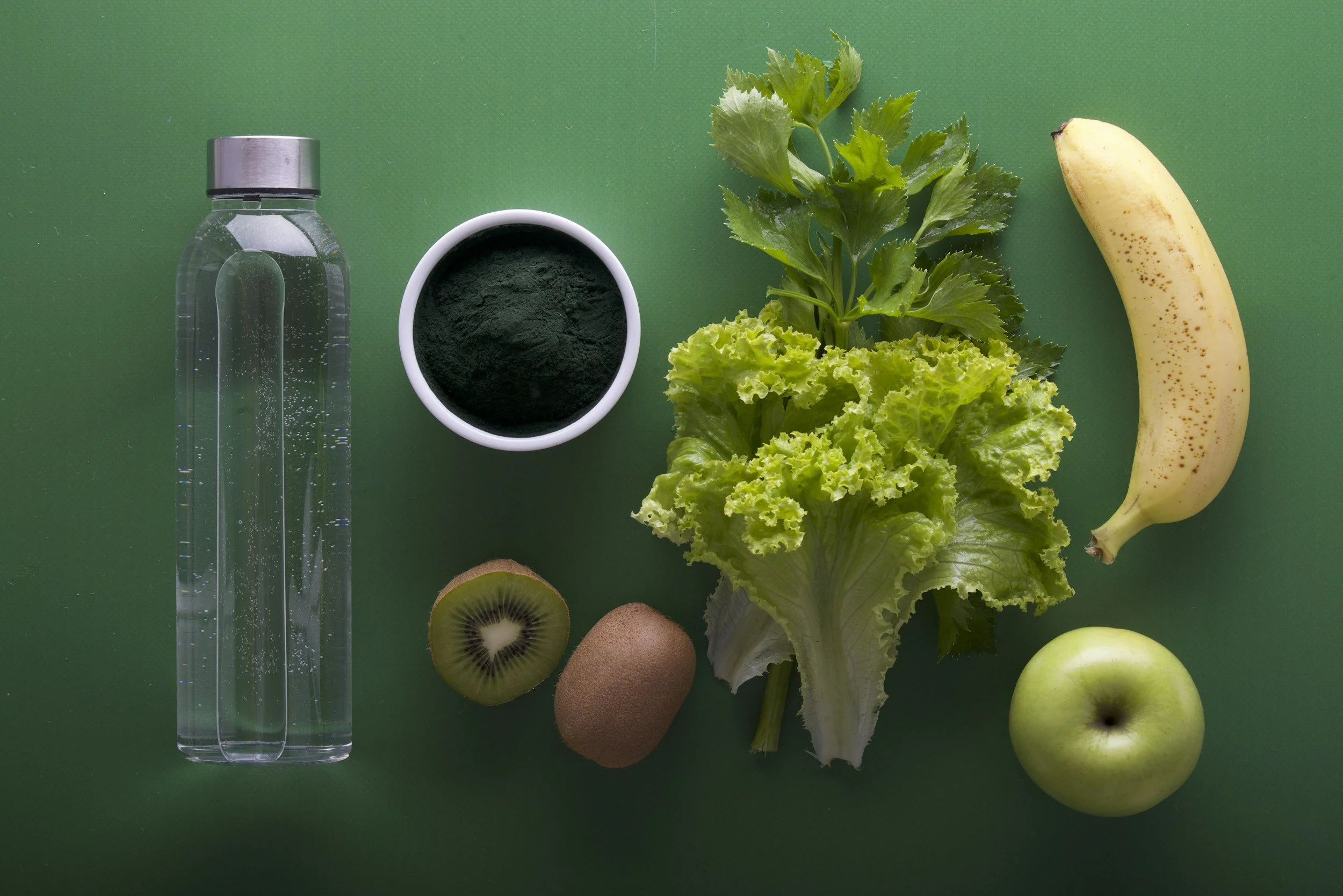
Fibre helps support regular bowel movements, and certain types of fibre also provide nourishment for beneficial gut bacteria.
Some great options include:
Kiwi fruit, pears and prunes
Vegetables and leafy greens
Oats and wholegrain cereals
Beans, lentils and legumes
Nuts and seeds, where age-appropriate
You don't need to completely overhaul your diet overnight.
Start by gradually introducing more fibre-rich foods and increasing variety.
And don't forget your fluids! Increasing fibre too quickly, particularly without adequate hydration, can sometimes make bloating and discomfort worse.
3. Get moving!
Movement is good for more than just your muscles.
Regular physical activity can help support normal bowel function.
That might mean going for a walk, stretching, gardening, dancing around the house or encouraging the kids to get outside and play.
It doesn't have to be a structured workout.
A little more movement throughout the day can be a great place to start.
4. Create a regular toilet routine
Your digestive system has natural rhythms, and the urge to open your bowels often increases after eating.
Try setting aside some relaxed time after breakfast or another meal to use the toilet.
For children, make sure their feet are supported on a stool and avoid putting pressure on them.
And for adults? Stop ignoring the urge to go because you're busy!
Giving yourself enough time and avoiding unnecessary straining can make bowel movements more comfortable.
5. Look a little deeper if constipation keeps coming back
Sometimes, despite eating well, drinking enough water and staying active, constipation continues. And that's when it's worth asking why.
Constipation can be influenced by several factors, including dietary habits, medications, changes in routine, stool withholding and certain medical conditions.
So, will improving constipation help your eczema?
Here's where I want to be clear.
Getting your bowels moving isn't a guaranteed solution for eczema. We know that the gut microbiome and immune system are closely connected, and researchers continue to investigate how gut health may influence inflammatory skin conditions. However, there isn't currently strong evidence that treating constipation itself will improve eczema.
That doesn't mean digestive health isn't important.
If you or your child are struggling with constipation, addressing it is worthwhile for your comfort, digestion and overall wellbeing. And when eczema is also present, looking at digestive health alongside skin barrier function, diet, environmental exposures and other factors may help build a more complete picture. Because eczema is rarely as simple as finding one trigger and removing it.
Looking beyond the skin
When I'm working with someone experiencing eczema, whether it's a baby, child or adult, I'm not just interested in which moisturiser they're using or what foods they're avoiding.
I want to understand the bigger picture.
How is their digestion?
Are their bowels moving comfortably and regularly?
What does their diet look like?
Are there environmental factors worth considering?
What patterns have they noticed around their symptoms?
Two people can have the same eczema diagnosis but very different health histories and circumstances.
And that's why I believe personalised care matters.
Your skin doesn't exist separately from the rest of your body.
Supporting your digestive health won't necessarily resolve eczema, but understanding what's happening beyond the skin can help us build a more complete picture of your health.
If you or your child are struggling with eczema and ongoing digestive issues, I'd love to help you make sense of it all.
Book a free initial assessment and let's chat about how I can support you or your family.
You don't have to figure it all out alone.
Belinda xx