
7 signs your eczema might be hormone-driven.
If you've ever thought... "Why does my eczema seem to have a mind of its own?" ...you're definitely not alone.
One week your skin is calm, the next it's angry, itchy and inflamed, and you swear you haven't changed a thing.
For many women, hormones can be one piece of the eczema puzzle they just don’t understand well enough.
Now before we dive in, let's clear something up:
Hormones don't cause eczema. Eczema is a complex condition influenced by genetics, the immune system, your skin barrier and environmental triggers. But hormonal changes can affect all of these systems, which is why some women notice their eczema changes at different stages of life.
Here are some signs your hormones might be playing a role.
Your eczema flares at the same point every menstrual cycle.
Do you notice your skin becomes itchier every month just before your period arrives?
You're not imagining it.
Many women report flare-ups during the luteal phase (the week or so before their period), when oestrogen falls and progesterone changes. These hormonal shifts can influence inflammation, skin hydration and immune responses, making eczema symptoms worse for some people.
If your eczema follows a predictable monthly pattern, it's worth paying attention to.
Keeping a simple symptom diary for a few months can reveal patterns you may not have noticed before.
Your eczema changed after pregnancy.
Pregnancy can do strange things to the skin.
Some women experience the best skin of their lives. Others develop eczema for the first time or notice existing eczema becomes much worse.
Then after birth, when hormones change dramatically again, the pattern can shift all over again.
Every pregnancy is different, but significant hormonal changes may influence eczema symptoms in susceptible individuals.
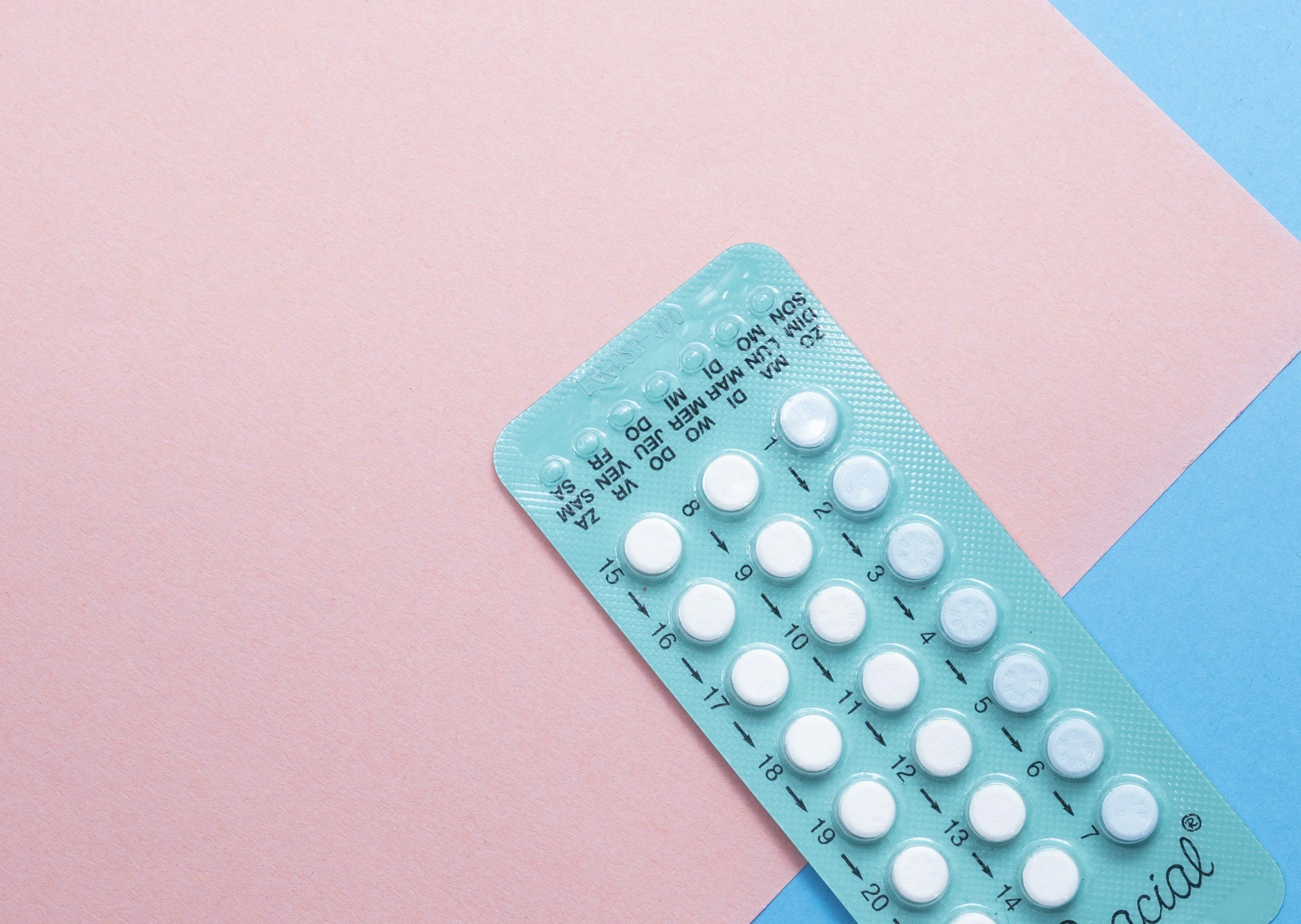
It started around puberty, when you began the pill, or during perimenopause.
Think back to when your eczema first appeared.
Was it around puberty?
Did it begin after starting hormonal contraception?
Has it become worse during perimenopause?
These are all times when hormone levels are changing significantly.
That doesn't automatically mean hormones are the cause—but it does make them an important piece of your health story to explore.
Stress or poor sleep almost guarantees a flare-up.
Ever noticed your eczema gets worse after a stressful week? Or after several nights of broken sleep?
That's because stress isn't just "in your head."
When we're under prolonged stress, our body produces more cortisol and other stress hormones. Over time, these changes can affect immune function, increase inflammation and even reduce the skin's ability to repair itself.
It's one of the reasons stress management and quality sleep are often an important part of an eczema treatment plan because these strategies can influence how your body responds.
Antihistamines help... if only temporarily.
If taking an antihistamine noticeably settles your itch, it tells us that histamine may be playing a role in your eczema.
Histamine is a natural chemical your body releases as part of your immune response, and it's one of the main reasons eczema can feel so itchy.
What's really interesting is that histamine and oestrogen are closely linked. Changes in oestrogen throughout your menstrual cycle can influence histamine levels, which may explain why some women notice their eczema or itching worsens at certain times of the month.
It's not proof that hormones are driving your eczema—but it is another clue that hormones may be one piece of the puzzle.
You've tried every cream... but nothing seems to stick.
This is probably the biggest clue I see in clinic.
Many women have cupboards full of creams, ointments and lotions. Some help for a little while. Some don't help at all.
If you're only treating what's happening on the skin, you may be missing factors that are contributing underneath, including hormones, stress, nutrition, gut health, immune function, environmental triggers or skin barrier health.
That's why there isn't one treatment that works for everyone.
So... what do you do if this sounds like you?
The first step isn't to assume hormones are the problem. It's to get curious.
Look for patterns. Notice when your eczema flares. Track where you are in your menstrual cycle. Pay attention to stress, sleep, diet and other symptoms.
These clues help build a picture of what's happening in your body.
The bottom line
Eczema is rarely caused by one single thing.
For some people, hormones play a significant role.
For others, they barely influence symptoms at all.
That's why I don't believe in one-size-fits-all advice or quick fixes.
Instead, I take the time to understand your health history, your symptoms and your unique patterns so we can investigate what may be contributing to your eczema and create a plan that's tailored to you.
Because the goal isn't just to calm the skin for a few days. It's to understand why it's flaring in the first place.
If your eczema seems to follow a hormonal pattern, I'd love to help you explore what your body might be trying to tell you. Get in touch for a free chat with me and let’s go through your symptoms and get you healing.
Belinda xx